
Research, Innovation, & Next-Generation Farming
Better Farming Starts with Better Science
What will strawberry farming look like tomorrow? California strawberry farmers are helping answer that question by investing in research, working with scientists, and exploring new technologies and approaches to the challenges of growing strawberries.
California grows nearly 90% of the nation’s strawberries and more organic strawberries than anywhere else in the world. Behind this leadership is a long history of research and collaboration, driven by farmers who are committed to finding better ways to grow and preparing for the challenges ahead.
Research That Starts in California Strawberry Fields
California strawberry farmers invest millions of dollars in research, partnering with the University of California, the Cal Poly Strawberry Center, and other research organizations. These collaborations bring farmers, scientists, and students together to investigate challenges in the field, test new ideas, and explore solutions that can advance strawberry farming.
Hillary’s Research & Innovation Video
Meet Hillary Thomas, a research and technical director and agricultural scientist with a Ph.D. in entomology. Her work brings scientific research closer to the realities of farming, exploring new approaches to the challenges facing California strawberry growers.
Exploring New Ways to Manage Strawberry Pests and Diseases
Protecting strawberry plants from insects, mites, weeds, and diseases is an ongoing challenge. California strawberry farmers and researchers are exploring new technologies and approaches that could provide more effective ways to manage these threats while reducing reliance on pesticides. Some promising areas of research and innovation include:
- UV-C light treatments: A non-chemical approach being studied to help manage certain pests and plant diseases.
- Drone technology: Exploring ways to deploy beneficial mites that naturally help manage agricultural pests.
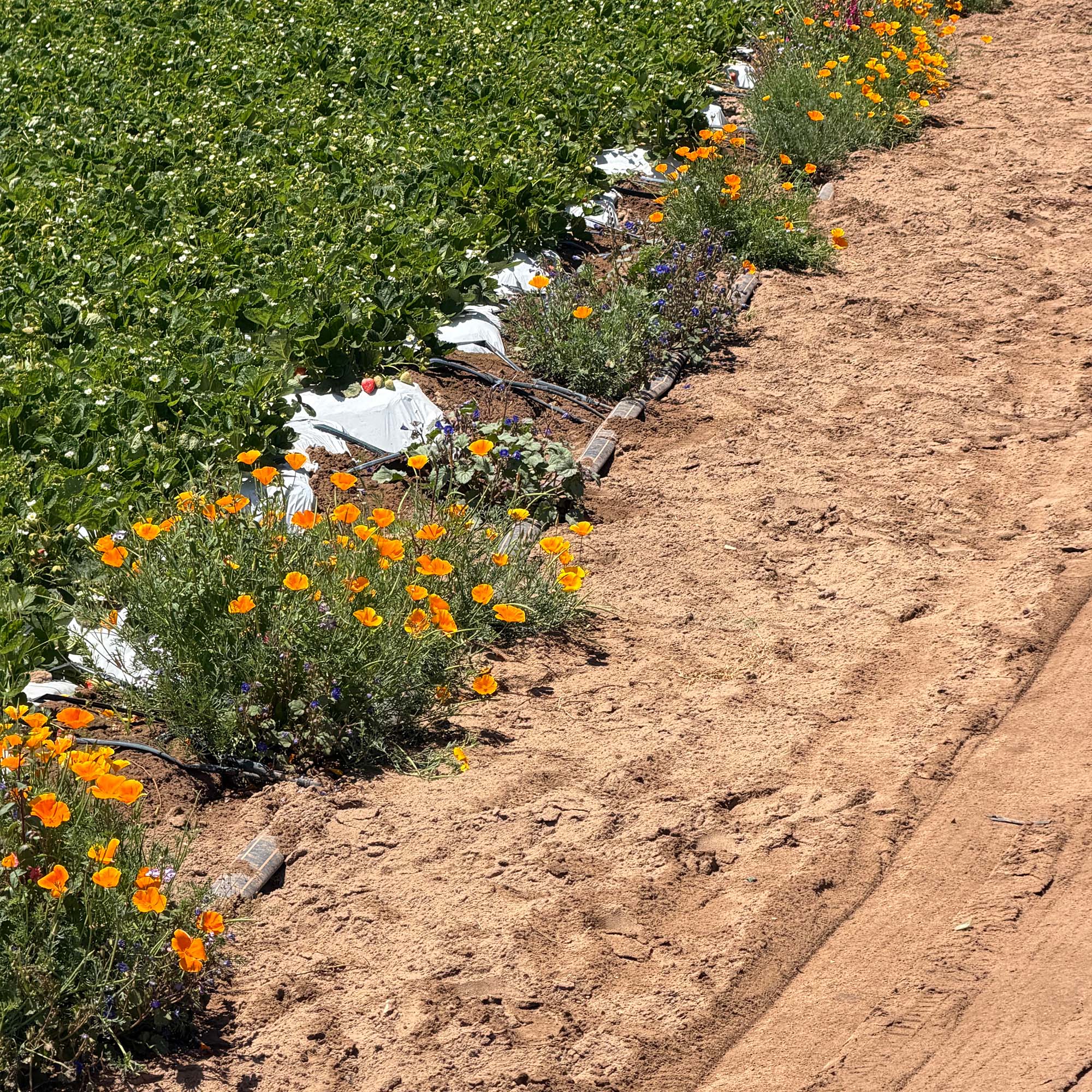
- Pollinator-friendly plantings: Flowering plants, including California wildflowers, that may attract beneficial insects to help control pests.
- Precision steam applications: Using targeted steam treatments to manage soil-borne diseases and weeds before planting.
Creating Pollinator Habitats for a More Sustainable Future
What if the spaces alongside strawberry fields could do more? California strawberry farmers and researchers are exploring how flowering habitats along field borders and in other open spaces could support pollinators and beneficial insects alongside strawberry production.
Strawberry flowers are self-fertile and can be pollinated by wind or vibration. Visits from bees and other pollinators can also help produce larger, better-formed berries.
These carefully managed plantings may attract beneficial insects that naturally help control agricultural pests. They could also help stabilize soil, filter runoff, and provide food and shelter for pollinators.
Researchers are evaluating how these habitats perform under real farming conditions, including considerations such as management, cost, water use, pest control, and food safety.
This approach is still being studied and may not be right for every farm. But it represents an opportunity to explore how farms and surrounding habitats can work together in new ways.
Are California Strawberries GMO? Traditional, Non-GMO Plant Breeding
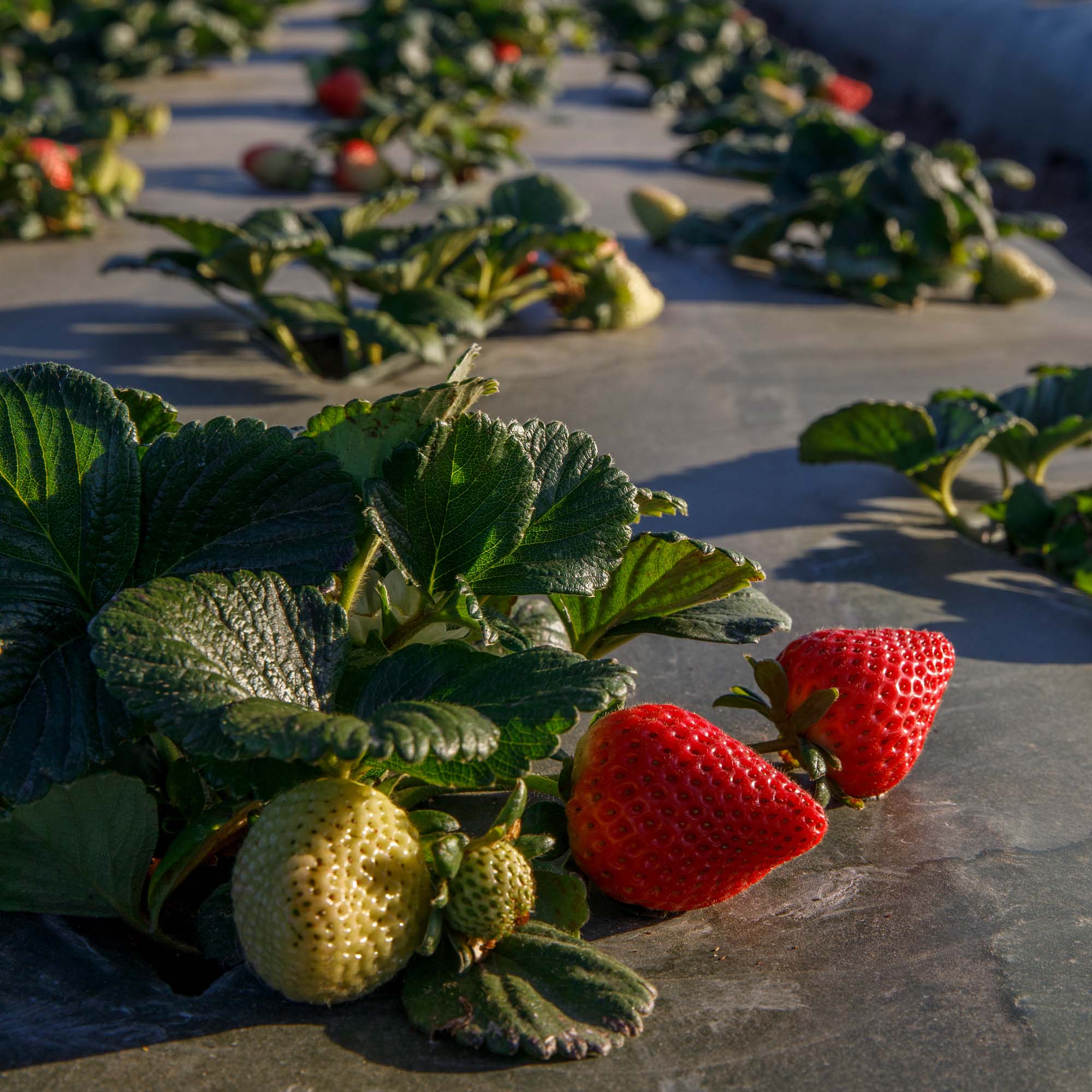
California strawberries are not genetically modified. Instead, researchers and plant breeders use traditional breeding methods, carefully selecting and crossing plants for desirable traits such as disease and pest resistance, fruit quality, and the ability to perform well under challenging growing conditions.
Through this ongoing work, researchers are developing new strawberry varieties with the potential to better withstand pests, diseases, and changing conditions while delivering the sweet, familiar taste people love.
Innovation That Supports Farmers and Farmworkers
Some of the most promising advances in strawberry farming aren’t just about the fruit. They’re about the people who grow it.
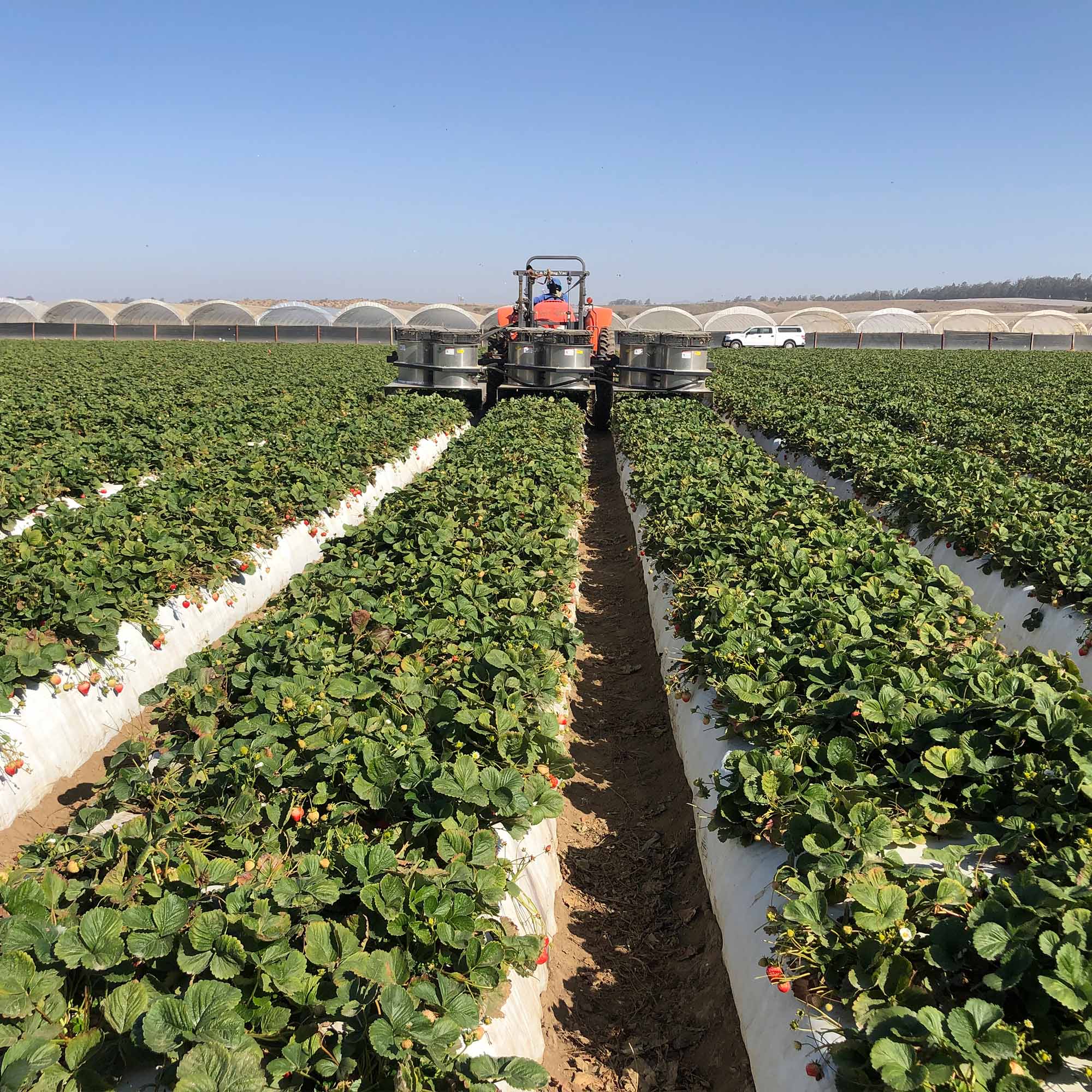
New tools and equipment are being developed and introduced to help make farm work safer, easier, and more efficient. Examples include harvester aids, automated hole punchers, laser runner cutters, and mechanical mulch lifters.
These innovations address the physical demands of agricultural work and create new opportunities to support the people behind every California strawberry harvest.
Teaching Tomorrow’s Leaders
The future of California strawberry farming also depends on the next generation of farmers, researchers, and agricultural leaders.
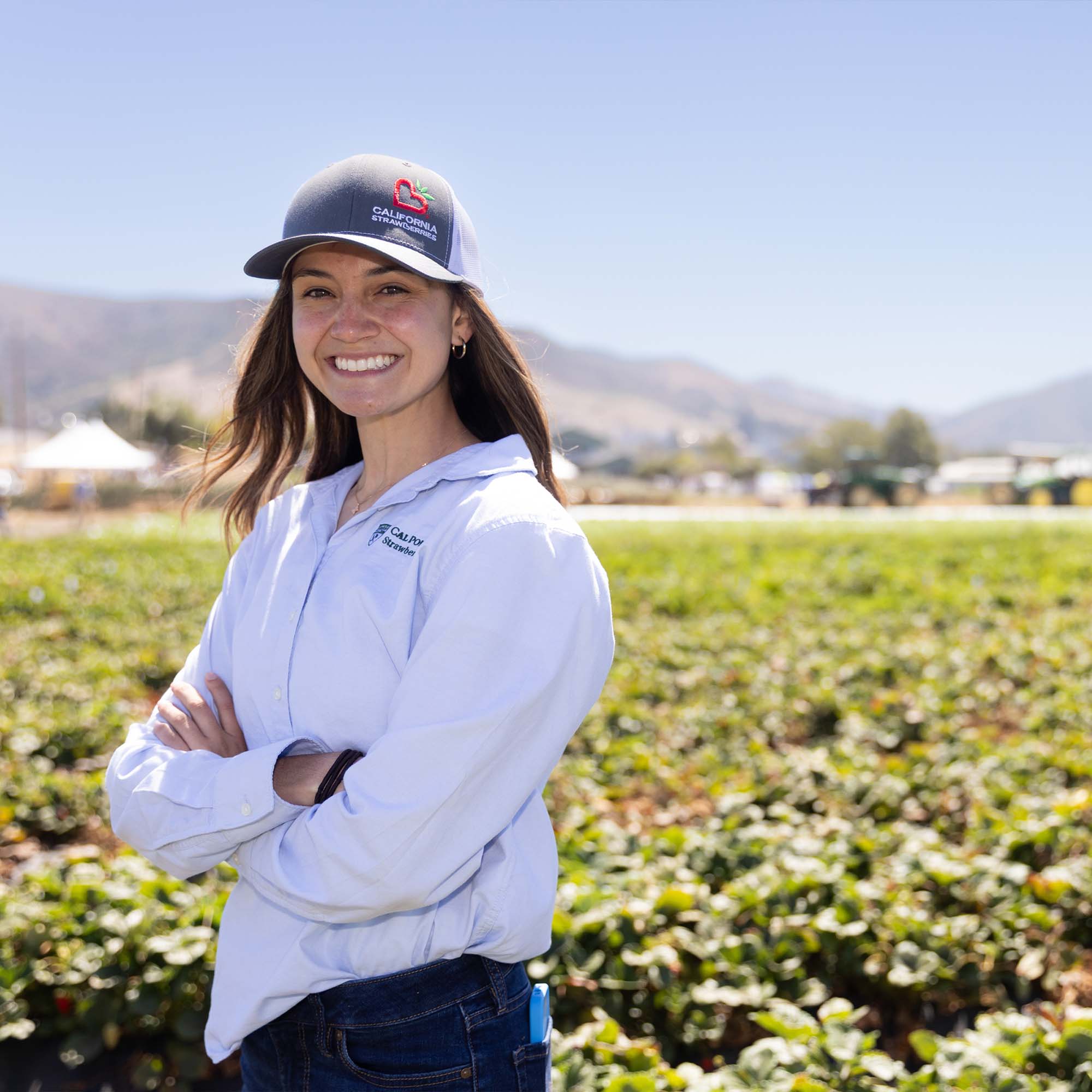
Through partnerships with the University of California, the Cal Poly Strawberry Center, and other research organizations, students gain hands-on experience alongside farmers and scientists in California strawberry fields.
In its first 11 years, the Cal Poly Strawberry Center trained 180 students to become future leaders in strawberry production, diagnostics, and research.
These experiences help prepare tomorrow’s agricultural leaders to take on new challenges, advance research, and shape the future of strawberry farming.
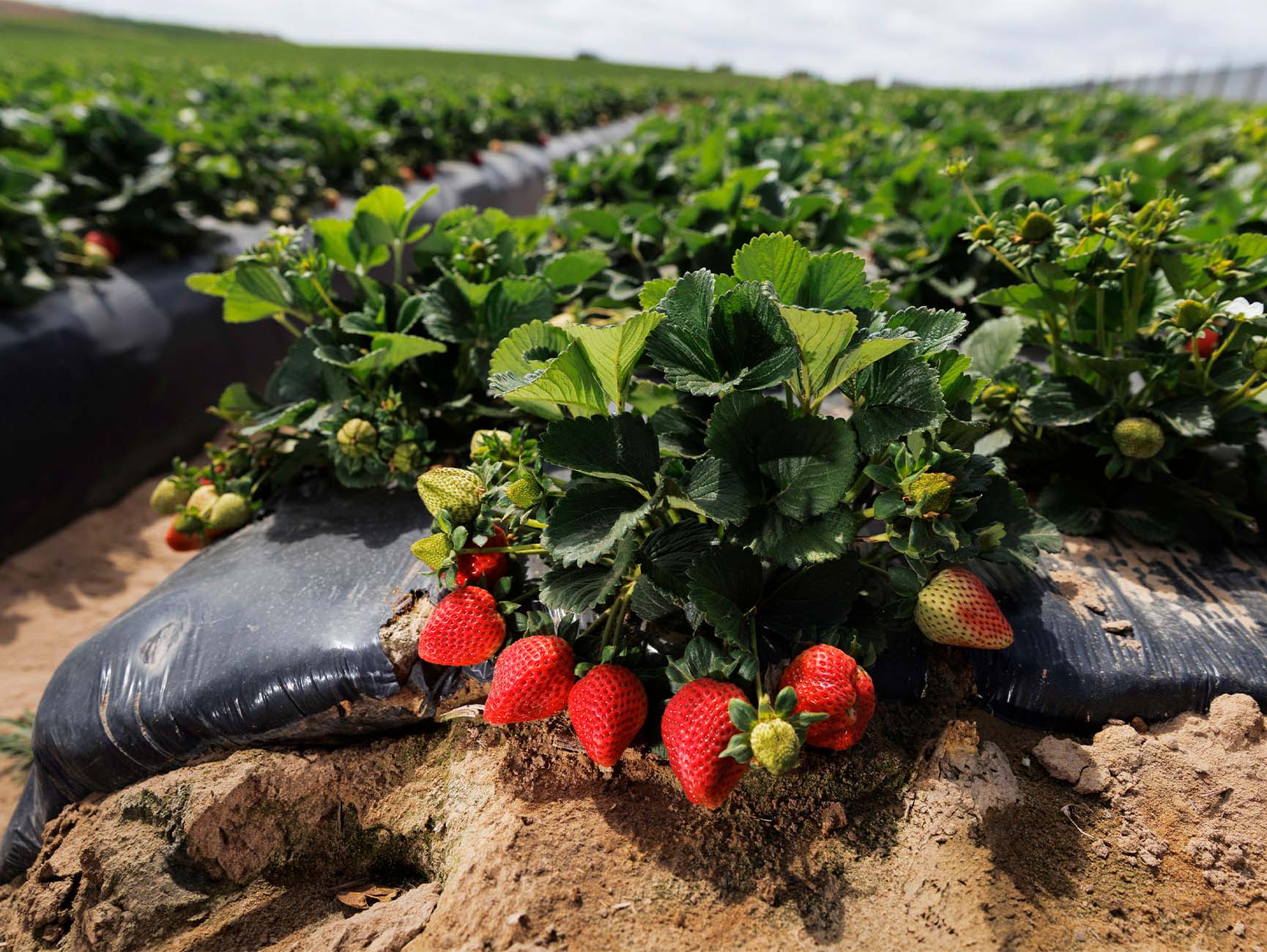
Grown with Heart, Guided by Science
Growing with heart means caring about what comes next. It means asking questions, exploring new possibilities, and investing in the people and ideas that will shape the future of California strawberry farming.
From research in the fields to new technologies and the education of tomorrow’s leaders, these investments reflect a commitment to growing better strawberries and nourishing people and communities for generations to come.