Health Benefits of Fresh, Frozen & Dried Strawberries
By Bonnie Taub-Dix, RDN BetterThanDieting.com
There are certain expressions that often make it to the headlines, but just because they’re popular, it doesn’t mean they’re true. You’ll see assertions like, “Only shop the perimeter,” or “Don’t buy foods with more than 5 ingredients,” or, the one we’re going to explore today, “Fresh is always best.”
When it comes to picking produce, I tend to choose fresh fruit and vegetables when they’re in peak season. But at other times during the year, I have many reasons for choosing other forms of those same foods to bring more value nutritionally and financially.
Let’s take a closer look at strawberries and how you can appreciate them for so many reasons in any season:
Strawberry Specifics
Strawberries add a natural sweetness to any dish while also providing fiber, potassium, folate, and antioxidants. Strawberries are one of the best sources of vitamin C, important for supporting a healthy immune system, collagen production in skin and bones and so much more.
In fact, one cup of strawberries has about as much vitamin C as an orange, providing nearly 100% of your daily value of vitamin C! The anthocyanins and polyphenols in strawberries may reduce inflammation thereby helping to support heart health and brain function. And since strawberries have a low glycemic index, they can also help with blood sugar regulation.
Strawberries are sodium-free, fat-free, cholesterol-free, low in calories and loaded with flavor.
Fresh Strawberries
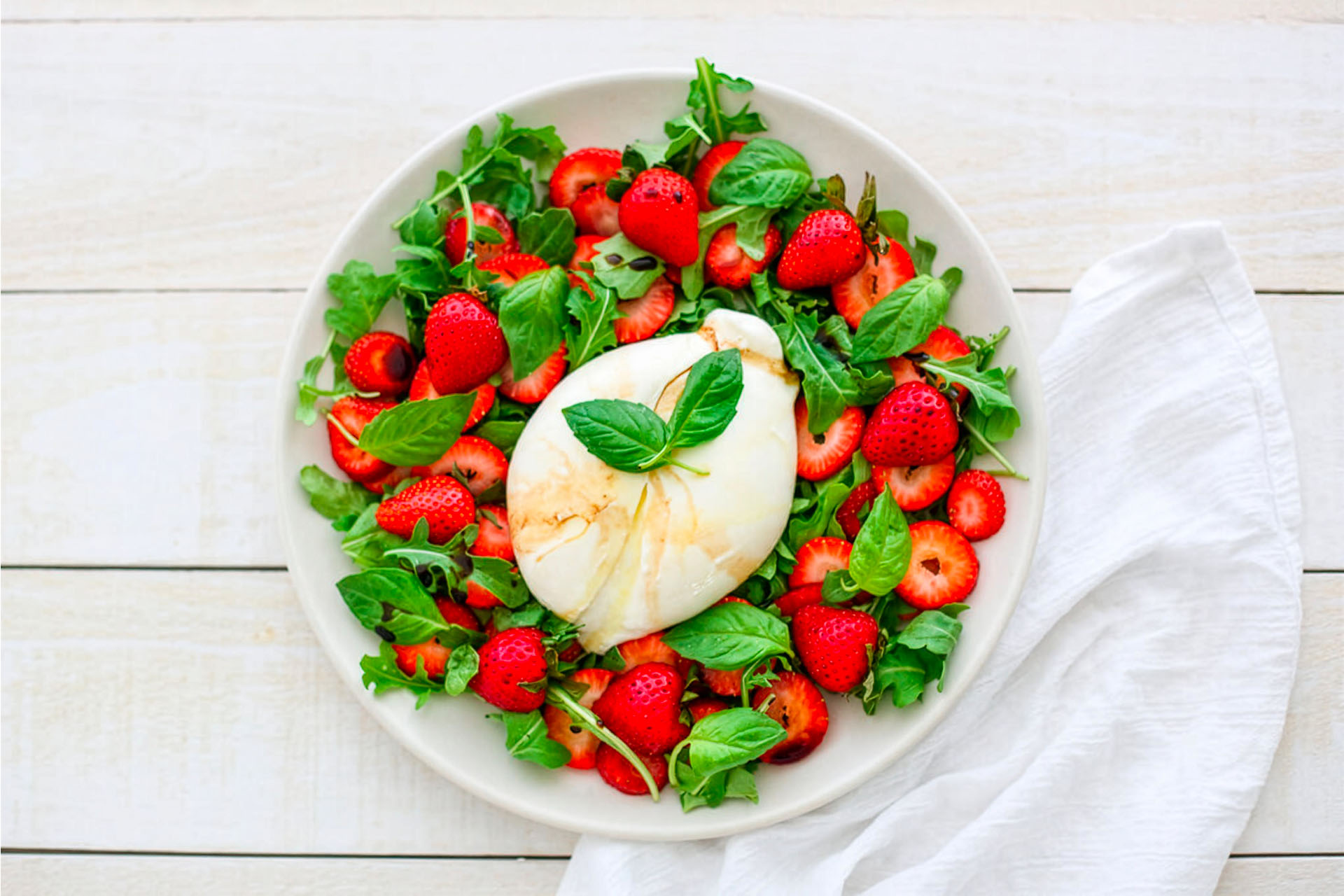
Did you know that nearly 90 percent of strawberries grown in the U.S. come from California? California strawberries are nutrient-rich in their natural state and they’re so versatile that they can be enjoyed any time of day. Although I love to munch on them as is, strawberry season keeps me busy by baking them into cobblers and quick breads, swirling them into smoothies or pairing them with sweet or savory dishes at dinner.
Frozen Strawberries
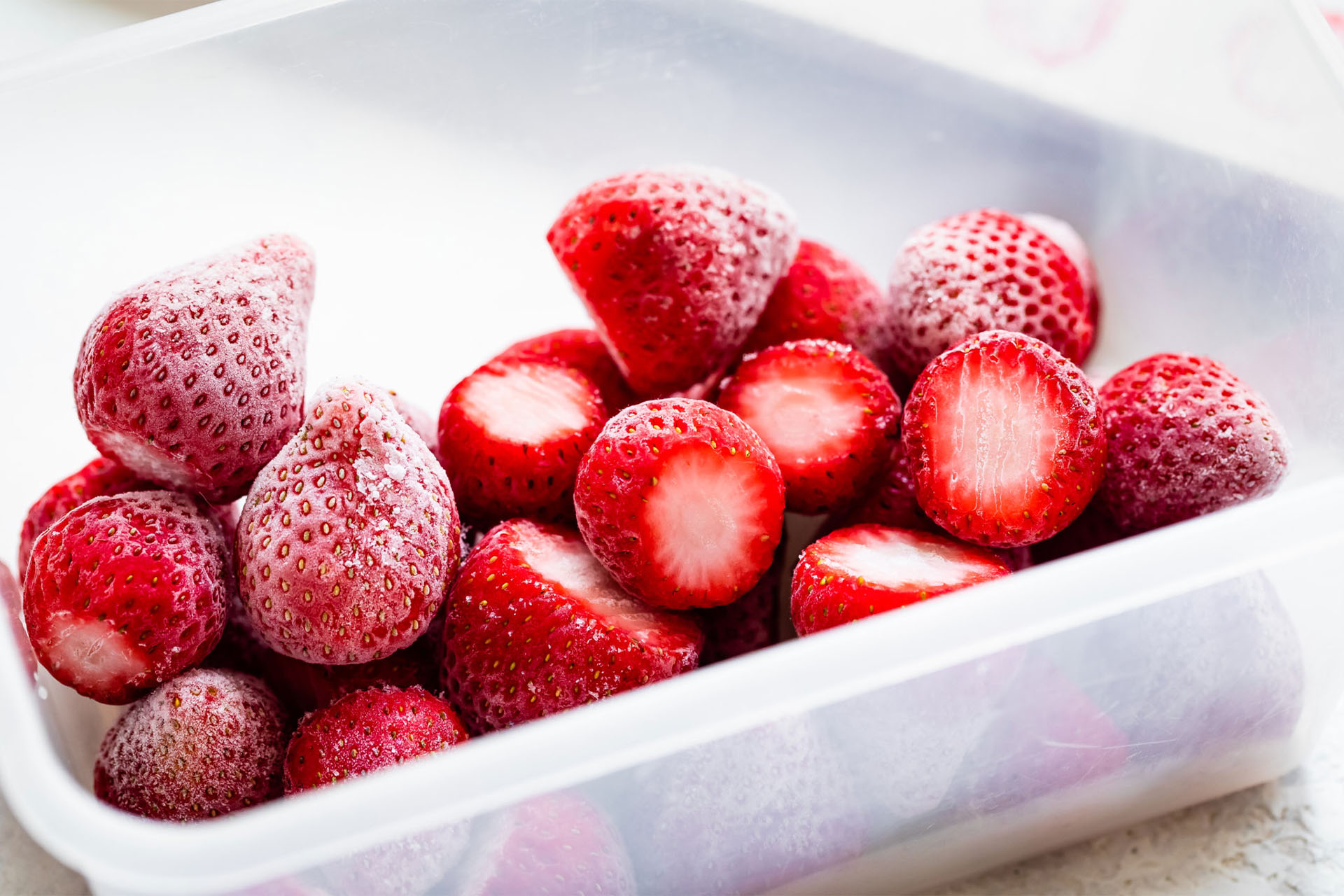
Despite bringing us a wealth of benefits, frozen foods, including strawberries, are often misunderstood. In some cases, frozen fruit may even offer more nutrients than their fresh counterparts. Fruit is picked at their peak, then frozen to lock the nutrients within. Frozen fruit is easy to store and you can even freeze your own strawberries to prevent food waste by not letting them spoil in your fridge. See How to Select, Store & Freeze Strawberries.
Dried Strawberries
Dried strawberries are also known as dehydrated. And if you buy too many fresh strawberries and you want to preserve them or you just like the crunch of dried strawberries, you can even make homemade dehydrated strawberries in an oven, dehydrator or air fryer. You can purchase dehydrated strawberries in the supermarket and just like with frozen berries, check labels to help you cut back on added sugar. Dried strawberries bring the same benefits as fresh or frozen varieties and, in some cases, might even provide more fiber and more of the antioxidants than fresh fruit.
You may also notice more freeze-dried products in your supermarket these days. These fruits and vegetables are produced in a process whereby moisture is removed. This process concentrates the taste, natural color, and texture of fresh foods in their freeze-dried state. Freeze-dried and dehydrated products are easy to store at home and their light weight makes them easy to travel with for quick, nutrient-packed snacks. Freeze-dried strawberries can be stored effectively for long periods of time.
Strawberry Summary
Whether it’s for breakfast (sliced on cereal), lunch (served on a salad), snack time (dunked in yogurt) or dinner (pureed into a sauce for fish or poultry), strawberries provide a powerhouse of nutrients and a sweet, delicious flavor you can enjoy year through.
Bonnie partnered with the California Strawberries for this post and the opinions are her own.
Sources
- Read It Before You Eat It – Taking You from Label to Table by Bonnie Taub-Dix, RDN.
You Might Also Like