
Growing for a Sustainable Future
California grows nearly 90% of the nation’s strawberries on less than 1% of the state’s farmland. Making the most of that land takes more than a favorable climate. It takes generations of farming knowledge, continued innovation, and a deep commitment to caring for the land, conserving water, and supporting the communities that depend on agriculture.
For decades, California strawberry farmers have invested tens of millions of dollars in research, tools, and practices to continually improve how strawberries are grown. From conserving water and managing pests to protecting crops and improving packaging, they’re finding better ways to care for the resources that make farming possible. And because farmers live where they farm and raise their families in these communities, that commitment is personal. Caring for the land isn’t a destination or a finish line. It’s a responsibility that carries from one generation to the next.
Growing with heart means caring for more than the crop. It’s about nourishing people and communities while protecting the land and resources that make it all possible. For California strawberry farmers, sustainability is a commitment to the future—for their farms, their families, and generations to come.
See Why Sustainability Matters for California’s Strawberry Farmers
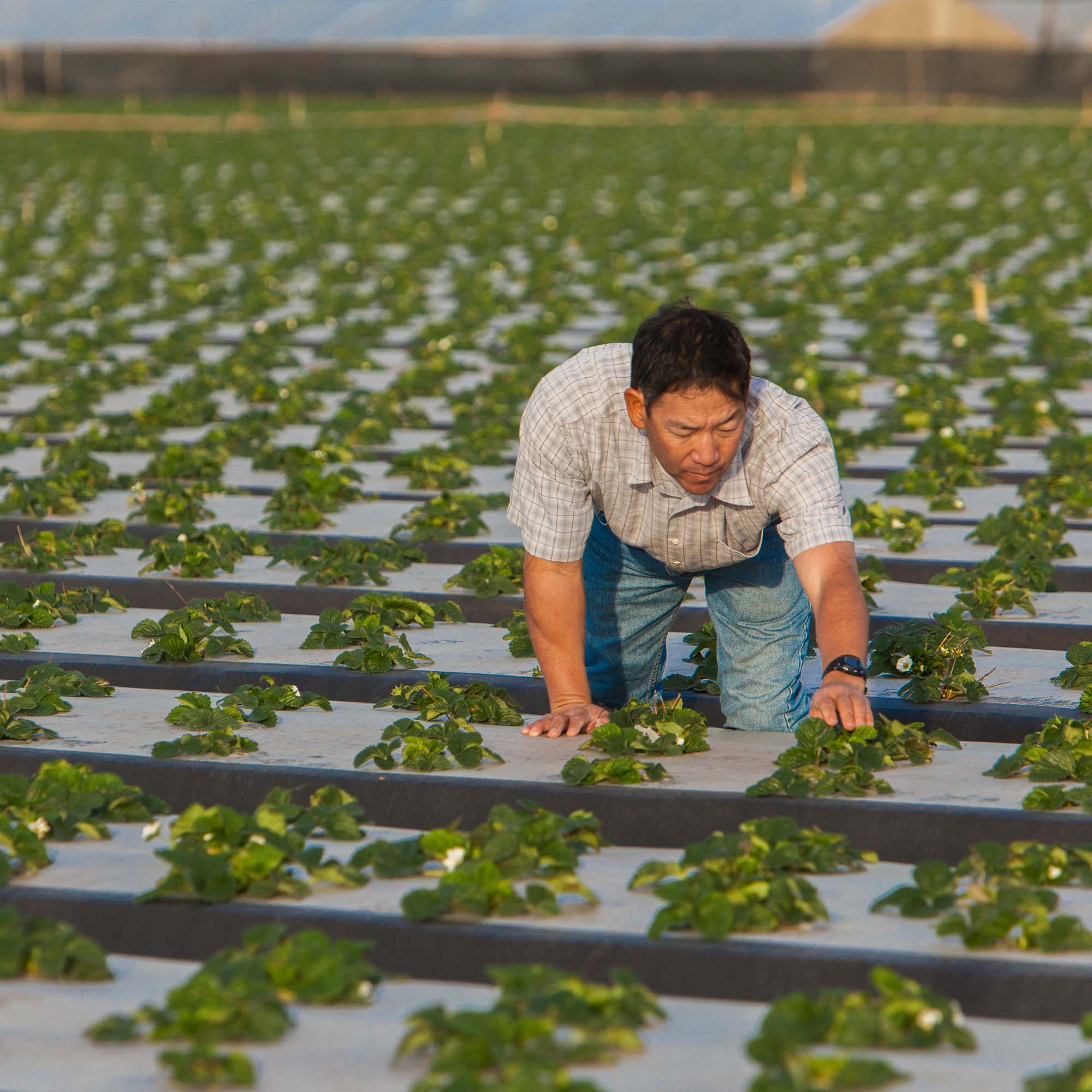
Farmer Tom AmRhein shares how the very best thing about growing strawberries is keeping the tradition of farming alive. It’s all about the stewardship of the land, and the care of the people.
Sustainable Strawberry Farming Today
Taking care of the land is part of taking care of the farm. For more than 50 years, California’s family strawberry farmers have helped pioneer advances in organic farming, resource conservation, and sustainable pest management. Today, that commitment is reflected in the everyday practices they use to conserve water, reduce reliance on pesticides, improve soil health, and protect their crops from disease. Drawing on generations of farming experience and proven practices, farmers work to grow healthy strawberries while caring for the land and resources their families and communities depend on.
How Do California Strawberry Farmers Conserve Water?
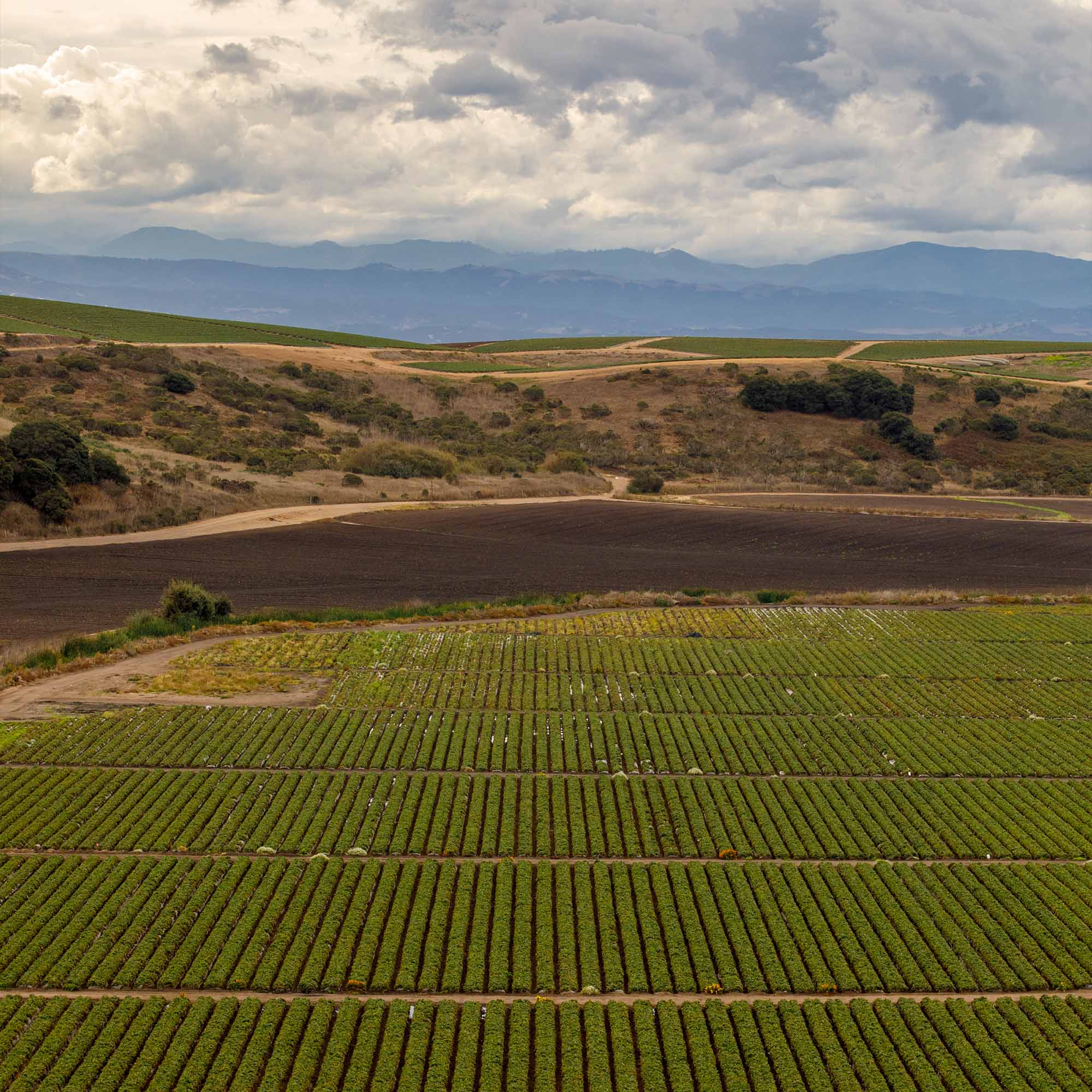
California strawberry farmers pioneered drip irrigation, a more efficient way to water crops by delivering water directly to plant roots. Covered growing beds also help retain moisture in the soil. Together, these practices help farmers make the most of every drop while growing the fresh strawberries people love.
Today, an acre of strawberries uses less water than an acre of homes in Los Angeles.

Is California Strawberry Packaging Recyclable?
California strawberries are packed in clamshells made from PET—the world’s most recycled plastic—and designed to be recycled the same way as water bottles. Today’s clamshells contain more than 50% recycled content and help protect the fruit, keep it fresh, and reduce food waste on its trip from the field to your home. Recycling options vary by community, so check with your local recycling program.
How is Strawberry Farming Improving for Tomorrow?
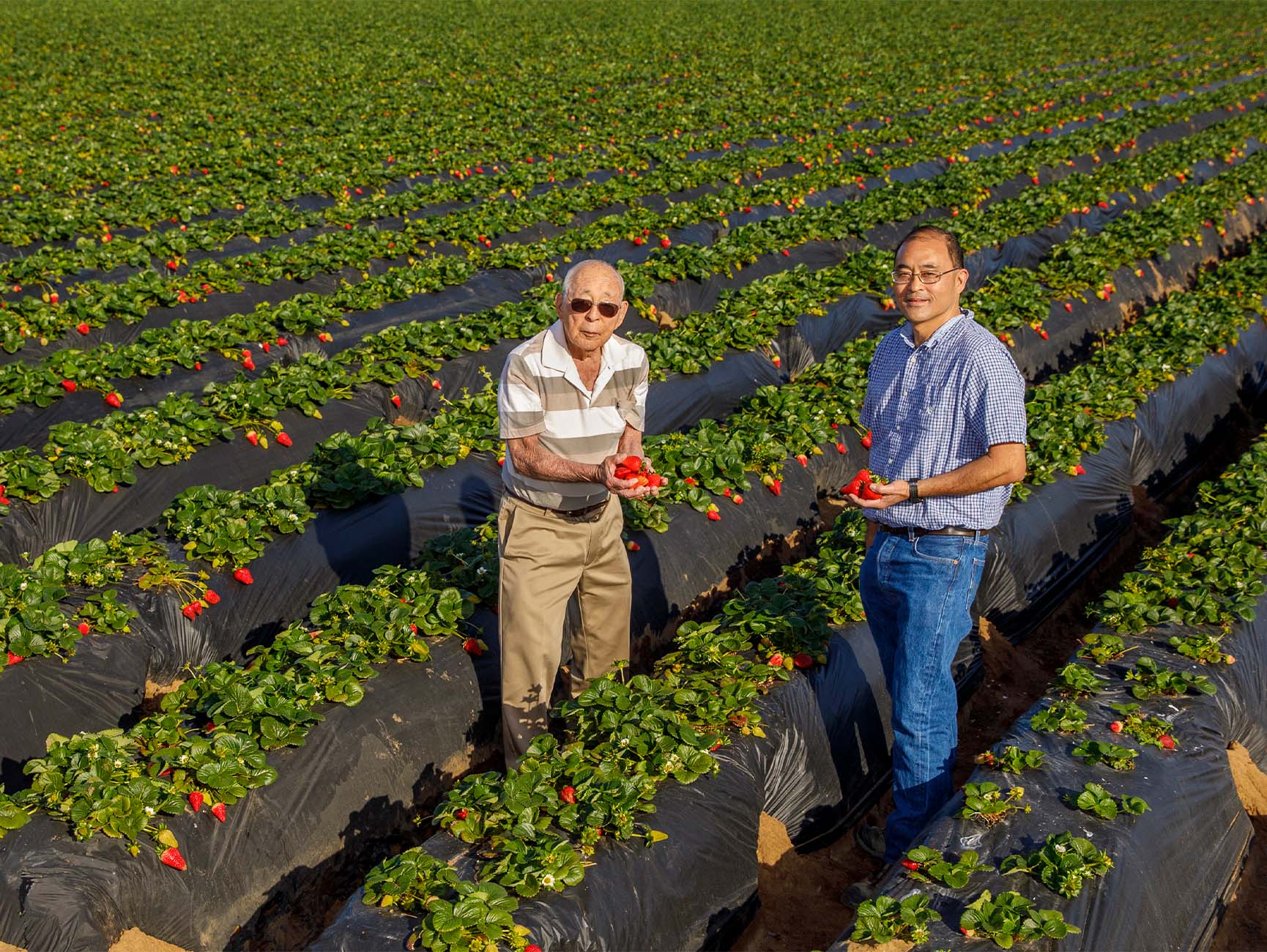
California strawberry farmers are always looking for better ways to grow. Through ongoing research, field testing, and partnerships with organizations like the Cal Poly Strawberry Center and the University of California, farmers explore new varieties, more effective growing practices, improved pest management, and tools that support the people working in the fields.
These efforts help address today’s challenges while preparing for tomorrow’s. Because growing better strawberries means continually learning, adapting, and finding new ways to care for the land, the crop, and the communities that depend on farming. Better farming is never finished.
Farming & Sustainability FAQ
Learn how California strawberry farmers protect the environment, how much water it takes to grow strawberries in California, and how California strawberry farming is regulated for safety.